
What Does Stress Have to Do with Sleep?
Stress and sleep are not good friends. As long as we cannot break free from the constant rush, and our mind keeps spinning over work matters or personal arguments, we are sure to sleep poorly. Yet it is quite important that, if possible, every night…
Why we sleep significantly worse today than our ancestors did can be answered in just a single word: the light bulb. Experts in the field agree that people slept more and better before electric lighting was invented. Ever since the light bulb embarked on its world-conquering journey, followed later by all kinds of other lighting fixtures, we sleep about an hour and a half to two hours less, and far more irregularly at that. Anyone who goes to bed wearing a smartwatch or some kind of fitness tracker can be confronted with this on a daily basis, but more on that later. For now, let's start with:
What does stress have to do with sleep?
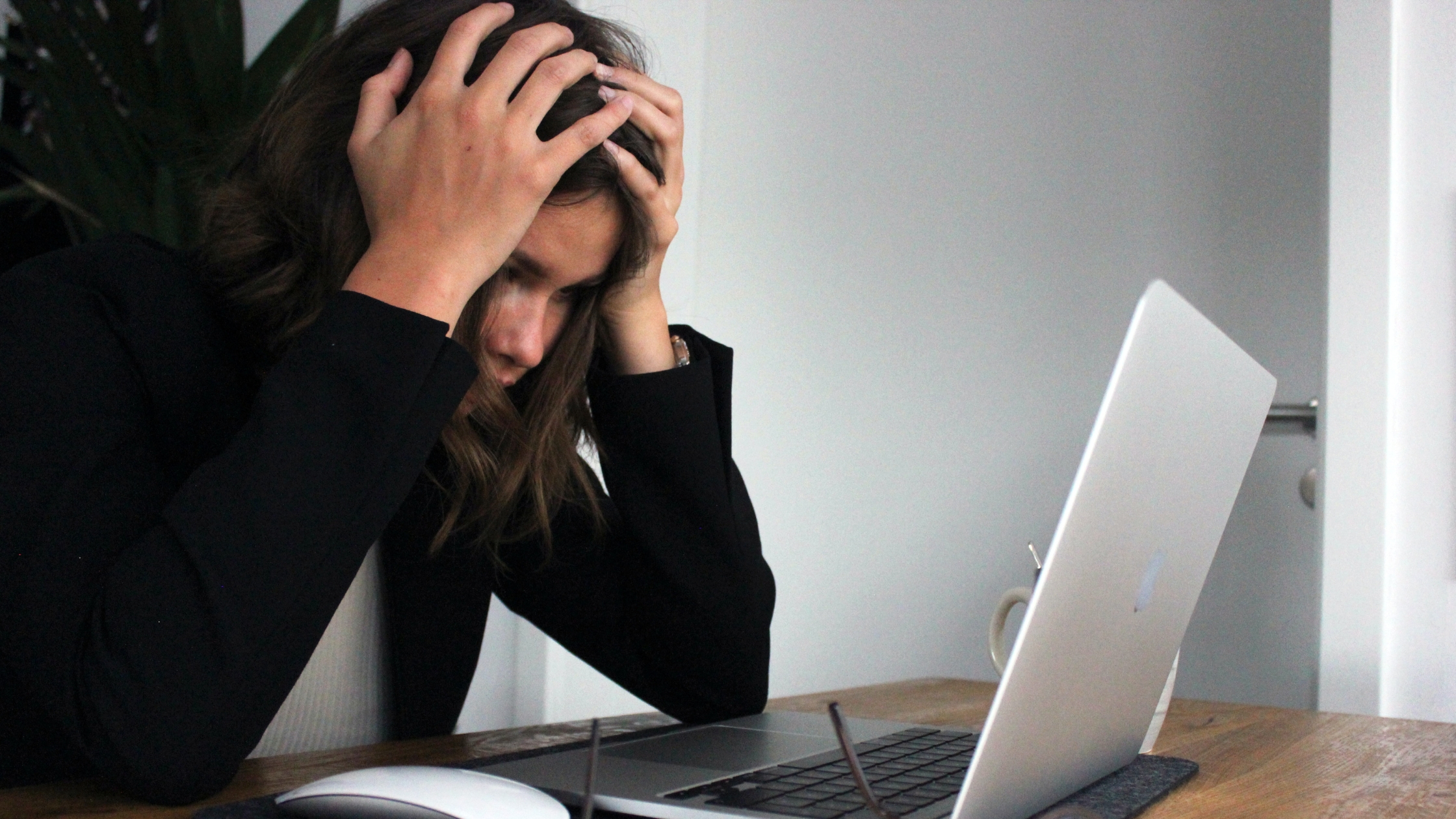
Stress often affects not only the quality of sleep, but its duration as well. Depending on age and other factors, it is worth aiming for 7–9 hours of sleep per day. I have already written before about why you are constantly tired and what you can do about it, so I won't go through the details again. I would, however, definitely note that the risk of several illnesses—including diabetes, depression, certain heart diseases, and obesity—can increase in those who regularly sleep less than 7 hours, that is, who struggle with sleep deprivation. But let's see what exactly stress has to do with sleep. Let's start with the fact that stress is an instinctive response that allows us to cope with important or dangerous situations. Under the influence of stress, the autonomic nervous system releases hormones like adrenaline or cortisol, which increase heart rate, preparing the body for immediate action if necessary. While for our ancestors this was quite literally about survival, fortunately today stress mainly affects those working in leadership positions or carrying heavy responsibility—based on my experience, especially entrepreneurs. But it is not just work; relationship problems, for instance, can also cause stressful situations. Everyone surely knows that feeling when, after an argument at home, you feel like you have to go for an immediate walk to calm down. In such moments, you are instinctively trying to release the stress, which, however, often doesn't succeed by the time you crawl into bed.
What does stress do to our body in the long run?
It is completely normal to feel stressed from time to time; it is part of life. Especially nowadays, and especially in business. However, chronic stress—that is, an elevated state of arousal that becomes permanent over the long term—can have a negative impact on both mental and physical health. One surefire sign that we are under constant pressure, meaning that stress has become a permanent fixture in our lives, is sleep deprivation. If you fail to release tension properly before falling asleep at night, the stressed state will almost certainly delay falling asleep, and there is a good chance it won't leave you alone at night either: racing thoughts and anxiety in your sleep can disrupt proper rest, and insufficient sleep can then cause further stress. Sound familiar? And it goes on like this until we finally get proper rest.
Deep sleep
At the beginning of the post, I mentioned that I would return to those who sleep wearing a smartwatch, fitness band, or some kind of activity tracker. Anyone who sleeps with such a device can check their sleep quality on a daily basis. It is important to be aware that these gadgets are far from measuring sleep perfectly, since that would require examining the brain during rest and would necessitate significantly more accurate equipment, but they can still serve as a useful reference point. From smartwatch data, anyone can see that sleep consists of three phases that alternate several times throughout the night: REM sleep, light sleep, and deep sleep. The latter of these is the most important for our body and mind, as this is when our bones, muscles, internal organs, and the immune system regenerate. In other words, it is in our fundamental interest to spend as much time as possible in deep sleep during our daily 7–9 hours of rest. Yet the majority of adults only spend 20 percent of their sleep in deep sleep, and stress can reduce this even further. BEMER's special night program can help with precisely this—namely, lengthening the deep sleep phases. The sleep program is composed of three parts: during the first two hours, it is stress-relieving, calming, and promotes falling asleep; during the last two hours before waking, it is awakening and energizing; and in the time between the two, it supports regeneration. This way, we can wake up in the morning well-rested, fresh, and ready for action. For anyone who feels that a relaxing evening walk, meditation, or reading before bed hasn't relaxed them enough, they can even run a few-minute stress-relieving, calming program right before falling asleep. https://judit-rozsa.bemergroup.com/hu_HU/human-line/termekek/premium-set-evo The secret to quality sleep is therefore to be found somewhere in having little stress and all the components of a healthy lifestyle, but if there isn't enough energy or time for these, there is still a solution. For example, reach out to me. Photo: Unsplash