Varicose Veins: How to Live with the Condition?
The simplest way to fight varicose veins is to do everything we can to prevent them from developing. But even if spider veins have already appeared on our legs, there is no need to panic, as there are several ways to keep the condition under control. Among these…
Many people think that varicose veins are merely an aesthetic problem, even though it is about much more than that. This condition, which is particularly common among middle-aged and older women who have given birth, can cause unpleasant symptoms such as lower leg pain, a heavy leg feeling that appears mainly in the evenings, tension in the legs, calf cramps that also occur at night, as well as skin discoloration, peeling, and infection. Varicose vein disease occurs when veins and lymphatic vessels are unable to efficiently transport blood and toxic substances away from the interstitial space. Healthy veins properly transport blood toward the heart, but for this, it is essential that vessel walls remain elastic, venous valves function properly, and muscles exert pressure to assist blood flow. If any of these components is compromised, it can disrupt proper venous circulation. Varicose veins affect roughly one in five Hungarians, and 6–8 percent of the population would require treatment specifically for chronic venous disease. Those affected tend to ignore the initial symptoms, even though six out of every one hundred Hungarians under the age of 29 develop varicose veins, while in the 60–69 age group, this figure is more than four times higher: twenty-five out of a hundred people develop them. If varicose veins are severe or persistent, medical treatment may also be required. These may include injection therapies, laser treatments, or surgical procedures used to remove or close the damaged veins. However, it is important to mention that prevention is always better than treatment. As with most diseases, the development of varicose veins can be traced back to numerous factors. Alongside age, these include inevitable genetics, excess weight, pregnancy or childbirth, and jobs that typically involve long periods of standing or sitting. Lifestyle habits can also contribute to venous disease: the two most important of these are smoking and a sedentary lifestyle. For prevention, Bemer experts recommend six simple tips for anyone who wants to avoid developing lower-limb diseases, including varicose veins:
- Get moving! Along with regular exercise, even tiny movements that require little energy, such as heel raises, wiggling your toes, ankle circles, or knee lifts, can help a lot to improve blood circulation in your legs.
- Wear compression socks or stockings! Garments made of specialized materials promote healthy blood flow.
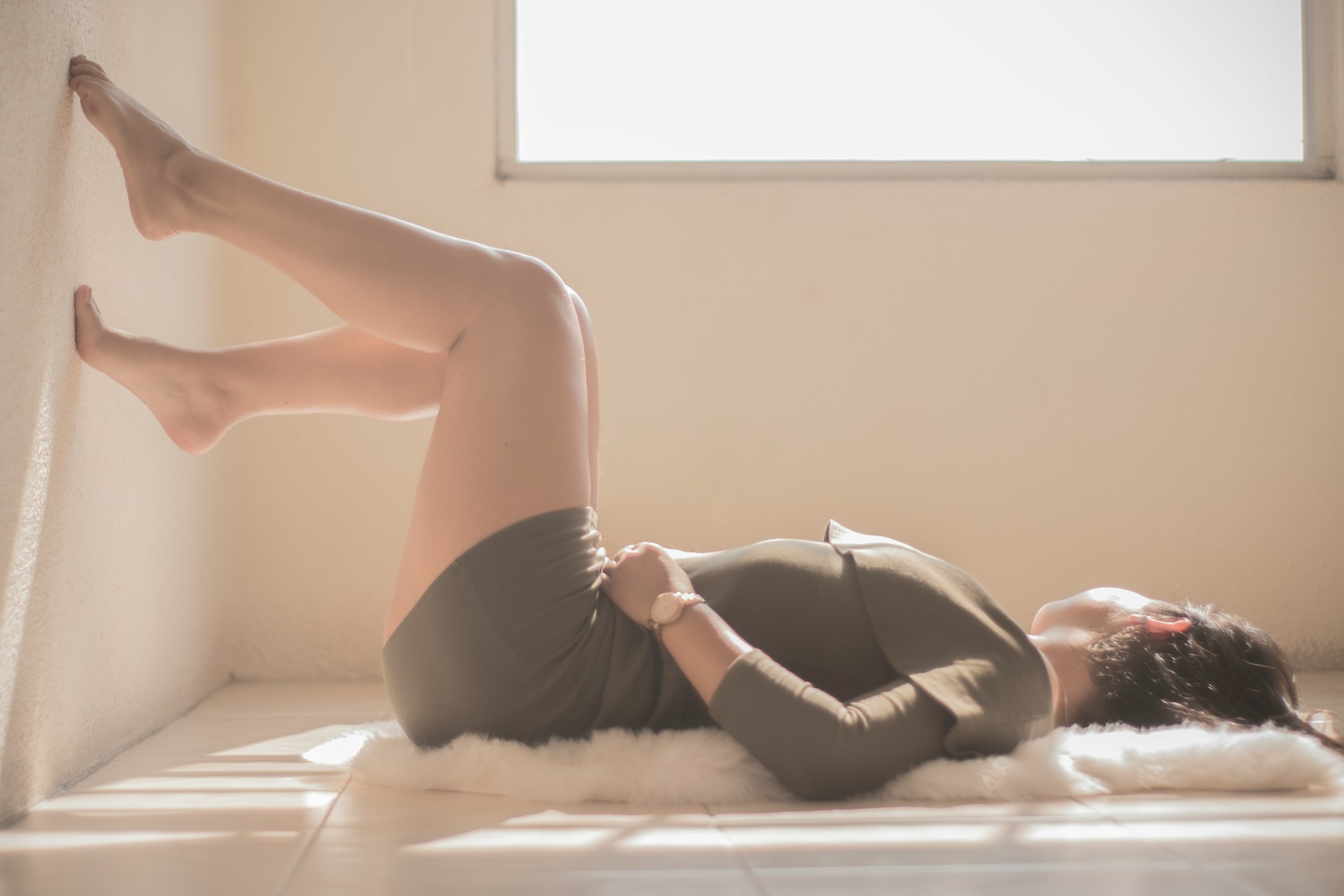
- Put your legs up! For those doing desk work, a footstool during the day, or a pillow at night, can be enough to achieve better circulation.
- Pay attention to how you sit! If you notice that you are sitting with your legs tucked under or your body weight is placed directly on your legs, change your posture for better circulation.
- Get a massage! In addition to improving circulation, entrusting your legs to a specialist is an excellent way to relieve stress. If you lack the time or other options, you can even massage yourself.
- Boost blood circulation with Bemer therapy! The device stimulates muscles and temporarily increases local blood flow, thereby improving muscle performance and recovery. This extra boost of energy enables the transport of vital substances (oxygen) and the removal of metabolic byproducts (carbon dioxide). The therapy can be an easy and effective way to combat poor blood circulation, producing noticeable results even after two eight-minute treatments a day. Not to mention, it also enhances the effectiveness of the previous five points.
If you are interested in the method and its effectiveness, feel free to contact me through any of my contact details! Image: Lenin Estrada on Unsplash