
Not Starting Over, but Building – How Replanning Works in Practice
Many believe that replanning is tied to the start of the year. New goals, new resolutions, new momentum – at least according to the calendar. The reality, however, is much more nuanced. In entrepreneurial life, genuine turning points rarely align…
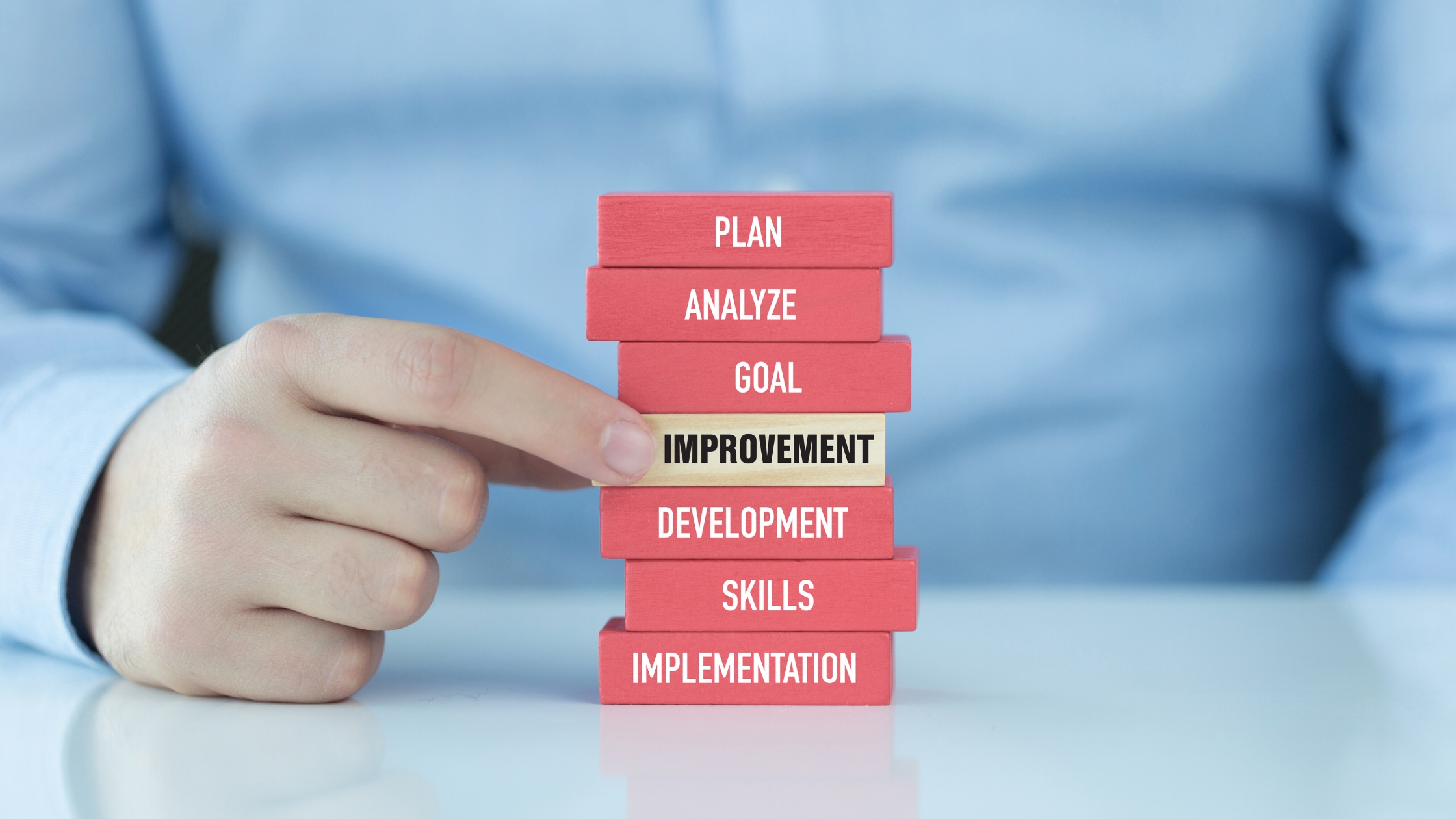
Replanning is not a one-time event; it is not a clean slate that we pull out once a year. Rather, it is a process that surfaces again and again along our journey. If we are brave enough, these moments have the power to steer not only our business, but our entire life in a completely new direction.
The Moment of Replanning Is Born from Within
Most people tend to tie major changes to the calendar. New year, new me, new business plan. In reality, however, true replanning does not depend on a date. January 1st isn’t the key, but rather that moment of realization when you can no longer think the way you used to.
This could be a market shift, an unexpected challenge, internal burnout, or even a tiny yet profound realization. From that moment on, you can no longer work with the same mindset as before. Something starts inside you that sooner or later leads to action.
You Can Always Replan – The Question Is Whether You Dare
Many people procrastinate on replanning because they feel it’s too much to swallow. Yet you don’t need to start everything from scratch. It is enough to rethink certain parts and make changes in small steps.
Perhaps, for now, it's just looking at your expenses through fresh eyes. Or starting to keep a simple record on a monthly basis. These may seem like small things, but in reality, they provide tremendous power: you regain control.
So, replanning is not about throwing away your entire past, but about building on your experiences so far. As I like to put it: all your previous attempts add up and ultimately form a complete whole.
Business Mentoring with Judit Rózsa
Take your business to the next level!
Flexibility Is Not an Option, but a Survival Strategy
In today's market environment, one thing is certain: change. A multinational company can plan years ahead, but a small business owner cannot afford such rigidity.
The ability to replan—that is, resilience—is actually one of our greatest advantages over the big players. We can react quickly. If needed, we pivot, build a new strategy, and when necessary, let go of what no longer works.
A plan is always needed, but only as detailed as the environment is predictable. It is worth seeing the long term (5–10 years in broad strokes), but the details should be broken down to a maximum of one quarter. This prevents you from being swept away by changes while still providing a solid anchor.
The Biggest Obstacle: The Security of Habit
Many entrepreneurs don't dare to replan because they are afraid of what will happen if they let go of familiar things. Yet the real danger lies not in changing, but in getting stuck.
Replanning always comes with sacrifices. You have to give something up: for example, a bad habit, an unprosperous business model, or a comfortable yet inefficient way of operating. But every such letting go also makes room for something new, and that is what pays off in the long run.
A Shift in Mindset Is Key
The essence of replanning is not recoloring spreadsheets or rewriting strategic documents; it is beginning to think differently.
We no longer focus on what we lose, but on what we can gain. We no longer procrastinate on decisions, but dare to take action. We are no longer driven by "control at all costs," but by trust and responsibility.
This shift does not happen overnight, but once it is born, everything changes: the leader, the business, and the future as well.
Replanning in My Own Story
For a long time, I was searching for what I truly wanted to do. Whenever I thought I had found it, a new door would open, pointing in a new direction. My husband often told me: "You'll never be successful if you don't focus on one thing." But that's not how I work. I need variety, and today I know: this is not a drawback, but a resource.
Because replanning doesn't mean starting from scratch every time; it means that past experiences add up, creating a much fuller, richer picture.
Summary: You Can Replan Anytime
Replanning doesn't start on January 1st, and it isn't a single big decision. It is far more of a process that takes courage. The courage to recognize that the old path leads nowhere further, and the courage to set off in a new direction—even if every step isn't mapped out precisely.
One thing is certain: if we learn to replan as entrepreneurs, whatever change comes our way, we will have the tools to respond. This not only saves the business's future, but also serves our own emotional and mental well-being.
Replanning, therefore, is not a luxury. It is the most vital leadership skill, without which long-term success is no longer possible today.