
BEMER: Who Is the Therapy Not Recommended For and Why?
Although BEMER therapy can offer numerous health benefits, it is important to realize that it is not a cure-all miracle device, and for this reason, it is not recommended for everyone. There are few exceptions where the method is not suitable, but…
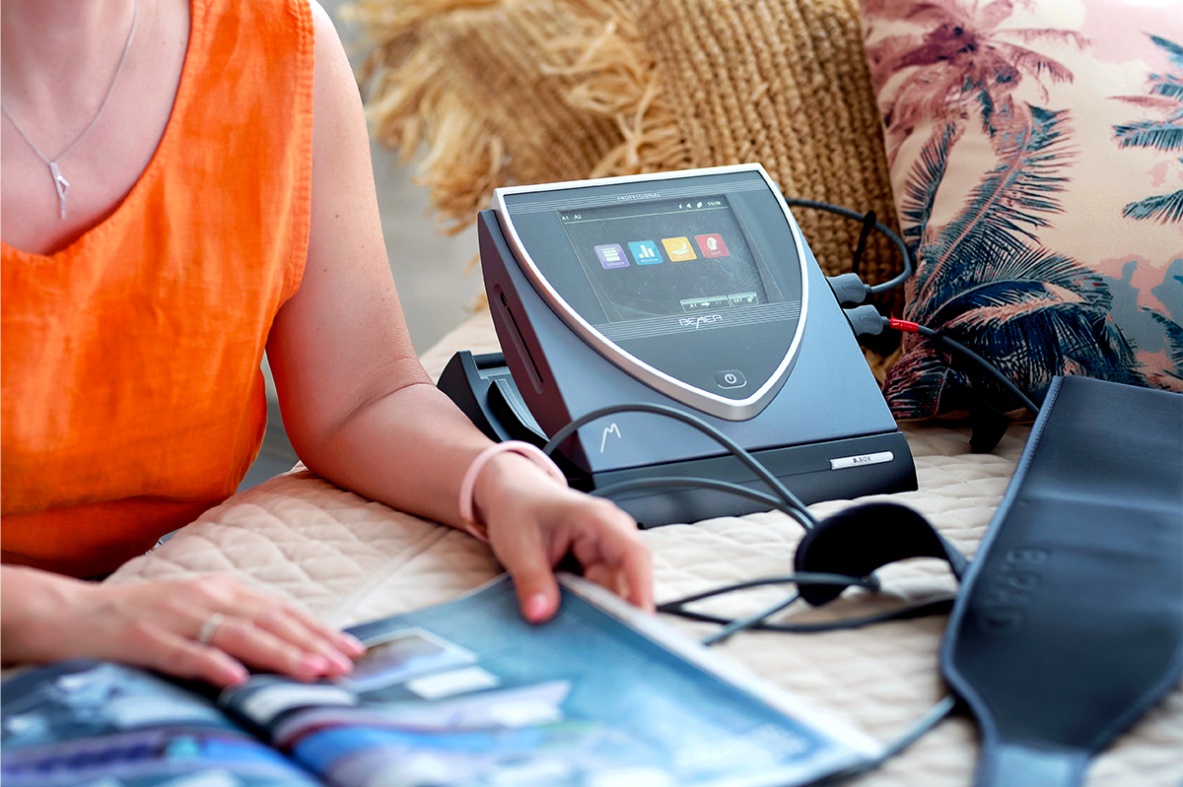
Modern medicine is constantly seeking methods that can help improve and maintain our body's health. One of the latest approaches among these is BEMER therapy. We owe this specialized physical therapy that improves the body's microcirculation to Rainer Klopp, a renowned professor at the University of Berlin, who discovered during his research that magnetic therapy supports the blood and oxygen supply to cells. This is how BEMER therapy was born, available since 1998 to anyone wishing to maintain their health. Since then, BEMER has become increasingly popular worldwide. Due to its scientifically proven effects, many people use it for a wide variety of health issues, as treatment that improves microcirculation can contribute to a healthy lifestyle and pain-free everyday life. Most questions and uncertainties arise in connection with magnetic therapy. Expectant mothers, young children, and cancer patients cannot use traditional magnetic therapy devices. In the latest BEMER devices—starting from the third-generation devices—the pulsed magnetic field is merely a carrier, and the BEMER signal is a signal operating in a specific frequency range. This enables even those who are otherwise prohibited from magnetic therapy to use it safely. I have written several times on my blog about who I recommend the device for and why, but the question rightly arises: for whom and why can BEMER therapy be risky? Let's see!
Pacemaker
People living with a pacemaker, i.e., a cardiac pacemaker implant, belong to the risk group. In their case, the magnetic fields generated during BEMER therapy can interfere with the smooth functioning of the pacemaker. However, there are already implants for which using the device poses no problem, but you must definitely confirm this in advance before the first use.
Implanted Drug Delivery Pump
People with an implanted drug delivery pump must also avoid using BEMER. The implanted pump continuously delivers medication into the body, and its absorption or efficacy can be influenced by any external factor. In certain cases, such a negative impact could even be BEMER therapy, which is why, to reduce risks, I do not recommend using the device for these patients either.
Before or After Organ, Tissue, or Bone Marrow Transplantation
During these types of procedures, the patient's immune system is virtually brought down to zero and recovers only very slowly. In contrast, BEMER therapy would accelerate the strengthening of the immune system, which in turn could ultimately increase the risk of rejection. However, once the new organ, tissue, or bone marrow has fully integrated, BEMER therapy can be distinctly beneficial, helping to strengthen and maintain the immune system.
One More Thing
Based on this, it is fair to say that the number of people in the risk group is rather small. If you are uncertain about your own medical condition, it is worth seeking assistance from the BEMER partner from whom you obtained the device and who helped you set it up. Let me add: BEMER is not only worth using once trouble has already struck. The therapy is especially useful for prevention as well, since your baseline health condition makes a tremendous difference in the event of an unexpected surgery or illness.